

Cybaris Insights is where infrastructure, modernization, and security decisions get the architect's read — what's actually changing, what it means for the systems you're building now, and what to do about it before the money is spent.
Browse by topic: Post-Quantum Cryptography · Architecture & Decisions · Program Execution

What a Modernization Program Needs That a Product Team Doesn’t
Modernization programs look like product programs from the outside — same sprints, same backlog, same milestones. They need different management. Here’s what modernization PM requires that product PM doesn’t.

Managing Delivery Across Vendors You Don't Control
When the dependency blocking your program sits with a vendor you don’t manage, standard PM tools stop working. What actually moves cross-vendor dependencies, and why it has to be built at kickoff rather than at the crisis.

The Sprint That Can't Close Until Security Signs Off
Security review isn’t a gate that happens after the sprint. It’s a delivery dependency that has to be managed inside it. Where the standard model breaks, and the integration that lets teams close sprints on time in compliance-constrained environments.
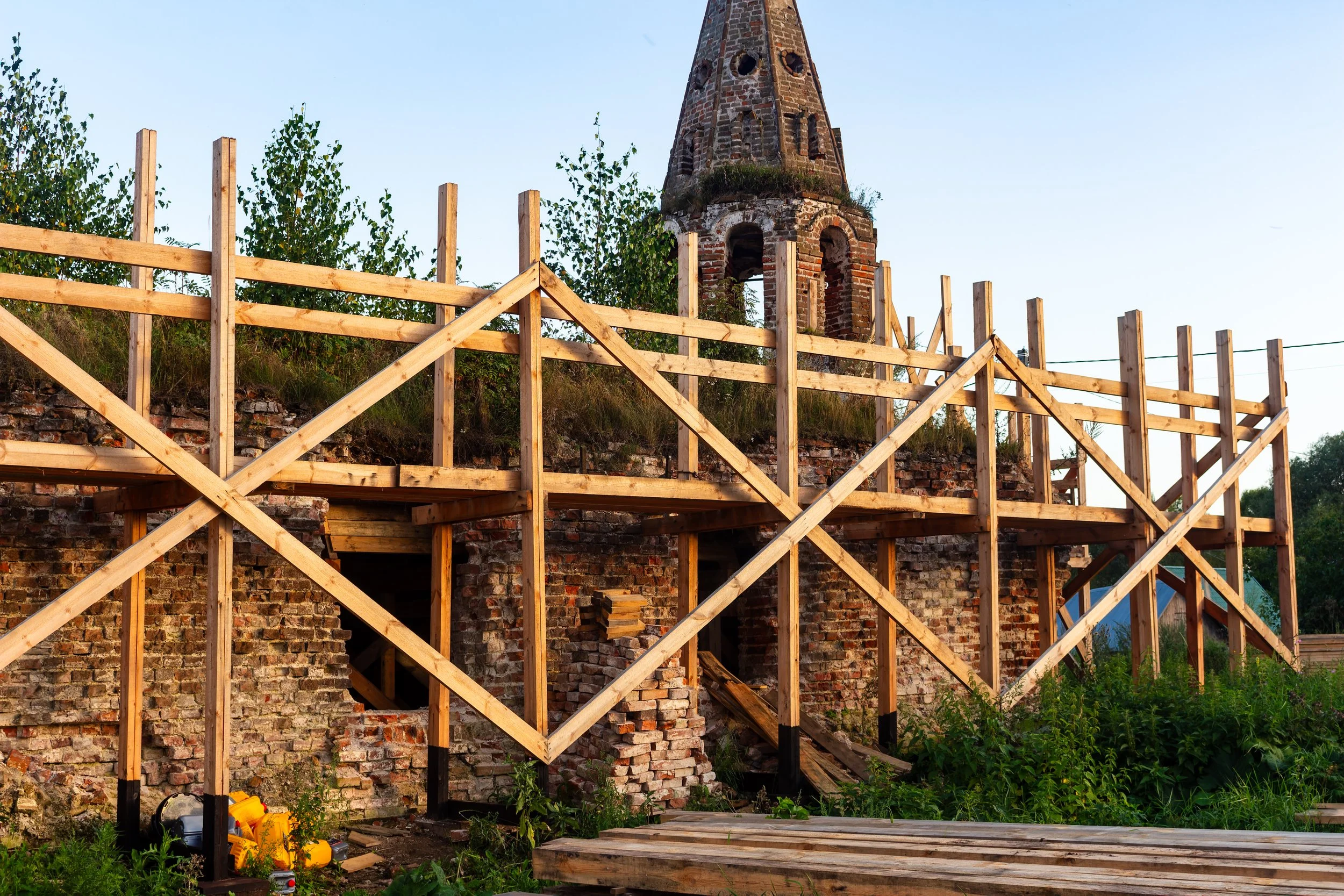
Inherited Architecture: The Decisions Your Program Stopped Questioning
Inherited architecture decisions usually made sense when they were made. The trouble is that constraints change and the decisions don’t get re-tested. Three questions to tell real constraints from untested assumptions, and when an inherited decision is worth overturning.

Human Oversight for AI-Generated Architecture Proposals
AI tools are generating architecture proposals that look credible, use the right terminology, and often reflect current best practice in the abstract. What they don't reflect is the operational reality of the specific environment — the accreditation constraints, the vendor commitments, the integration dependencies, and the implementation history that determine whether a plausible architecture is a workable one.
This isn't a criticism of AI architecture tools. It's a description of what they are and what the review has to add before the output becomes a design decision.
In this edition: what AI-generated architecture output gets right, where the structural limitations live, and what the expert review has to contribute before AI-generated output becomes program-specific design.

The PQC Migration Is Not a Software Update
Encryption has a limited lifespan, the standards are finalized, and the case for migrating is settled. What most programs underestimate is what migration actually entails — a cryptographic inventory, a hardware recap most budgets haven't absorbed, and a review cycle that runs on someone else's clock.

Why Agile Breaks in Accreditation-Constrained Programs
Agile breaks in accreditation-constrained programs for predictable reasons. Here's where the model fails and what adaptation actually looks like.

The Architect vs. the Engineer
A senior engineer gets pulled into a leadership meeting, asked to weigh in on a platform decision, then handed requirements to execute. The meeting felt like architecture. The outcome was engineering. Confusing the two isn't just expensive — it's fatiguing for the teams absorbing the cost of decisions that were never really made.

Your Encryption Has an Expiration Date. Here’s What That Means for the Systems You’re Building Now.
Sensitive data captured today can be decrypted later. That makes the encryption protecting long-lived data a dated asset, not a permanent one — and it changes what "secure enough" means for systems being designed right now..